


Did you know that 75% of our emotions are influenced by what we smell?
This leads us to reflect on the power of sensory branding, which isn’t limited to the visual, but encompasses how we experience a brand through all our senses: smell, sight, hearing, and touch. This holistic approach allows brands to create deeper and more memorable experiences that resonate in the minds of consumers.
What is sensory branding?
Sensory branding uses stimuli like sound, touch, and smell to forge stronger emotional connections. It goes beyond the visual, incorporating elements such as scents, sounds, textures, and flavors to enrich the customer experience. By integrating these sensory stimuli, brands can build a deeper and more lasting identity within the user experience, facilitating loyalty and differentiation in a competitive market. This helps consumers associate the brand with unique and pleasurable sensations.
Close your eyes and think…
Of the distinctive aroma of freshly brewed coffee that greets you upon entering a Starbucks. This scent not only invites customers in but also evokes a sense of comfort and familiarity, strengthening that emotional connection with consumers.
How can a brand apply it?
A brand can apply sensory branding in several ways:
- Smell: Create exclusive aromas for products or establishments, so that consumers remember your brand every time they perceive that scent.
- Sound: There’s nothing more catchy than a jingle or specific sound played in advertisements, at points of sale, or upon entering the website.
- Touch: Use innovative materials in packaging, such as boxes with different finishes (smooth, rough, made of innovative materials, etc.), that invite the user to touch and explore.
- Taste: Offer product tastings during events or in-store, like a chocolate brand that allows customers to try different varieties and associate them with its identity.
- Vision: Create dynamic logos and symbols that change color and shape, generating a dynamic visual experience. Implement visual elements such as 3D animations that reflect the brand identity, using a color palette and typography that evokes specific emotions.
Examples of brands that have incorporated sensory branding
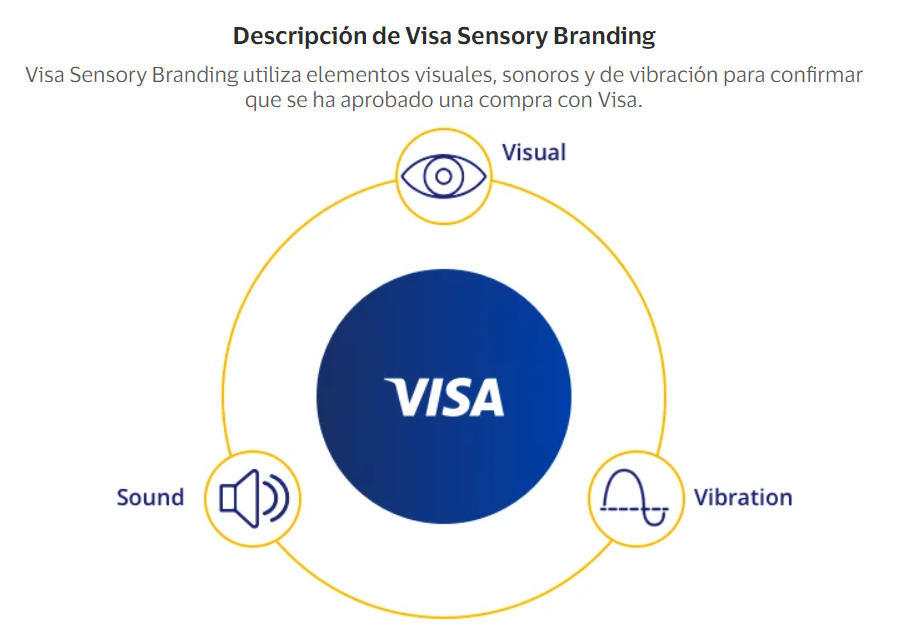
- VISA: The company has incorporated a distinctive sound that plays at the end of a transaction, providing a sense of security and satisfaction to the customer. This sound is designed to be associated with completing a purchase, reinforcing trust in the brand.
Visa Sensory Branding of sensory cues (animation, sound, and haptics) created for web, mobile, and physical point-of-sale environments.
- Singapore Airlines: The airline uses an exclusive scent on its flights, blending notes of rose, lavender, and citrus. This fragrance is applied to the towels offered to passengers and dispersed into the air, creating an olfactory experience that customers associate exclusively with the brand.
- Dunkin’ Donuts: In an innovative campaign in South Korea, the brand installed coffee-scented diffusers on buses. The aroma was released simultaneously with the brand’s advertisement playing over the loudspeakers. The results were remarkable: a 29% increase in coffee consumption in stores and a 16% increase in store visits.
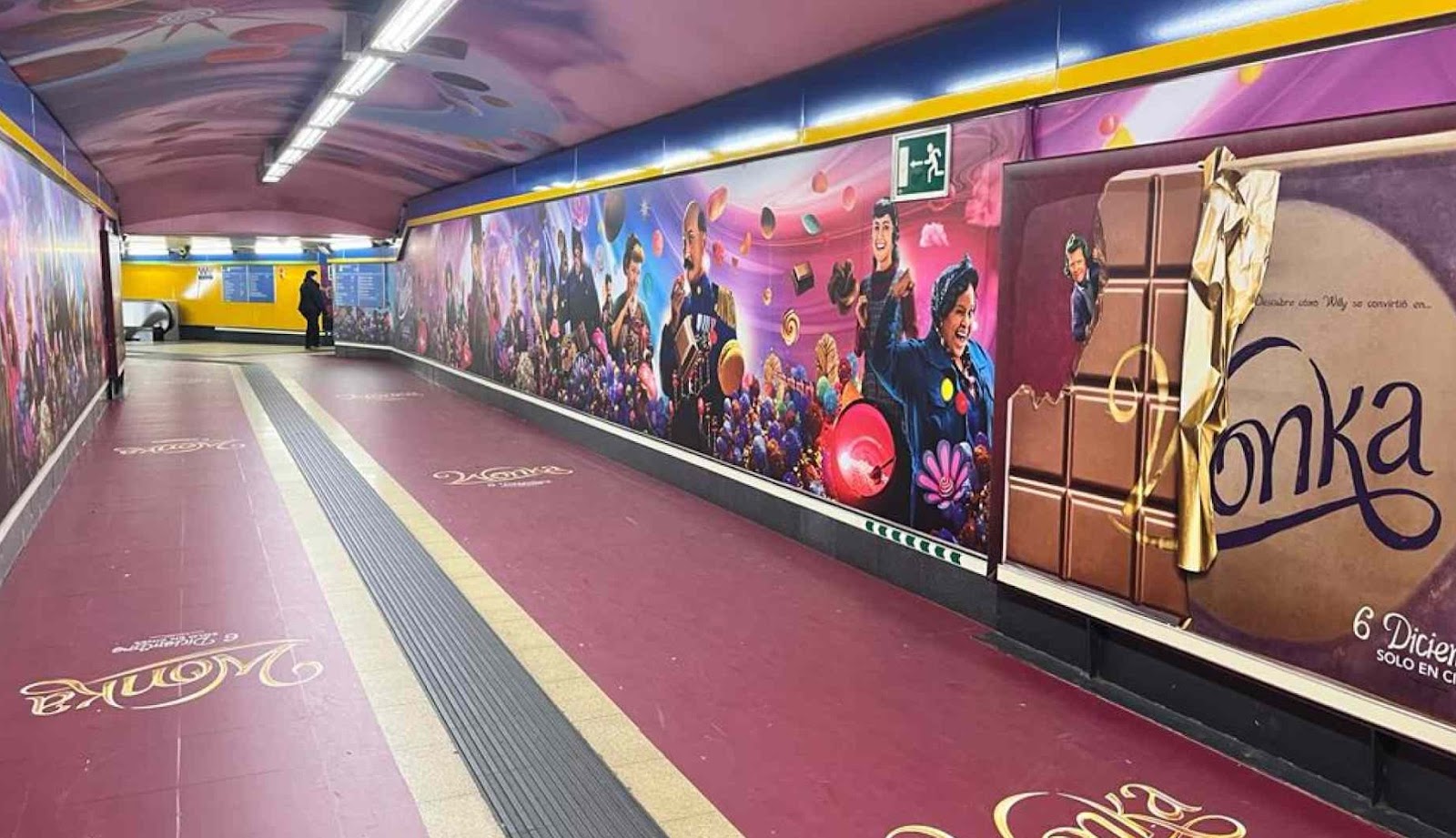
- Warner Bros: During the promotion for the Willy Wonka movie premiere, Warner Bros. launched an olfactory activation on the walls of the Callao metro station, which were covered with the film’s poster. The chocolate scent diffused throughout the area, capturing the attention of subway riders.
Dare to Go Further…
Implementing a sensory branding strategy from the earliest stages can be a key differentiator for your brand in a saturated market. This approach not only facilitates the creation of emotional connections with consumers but also improves the customer experience and fosters loyalty.
Salago’s methodology is to create bold brands that stand out from the crowd. If you’re ready to explore the power of sensory branding, contact us and we’ll develop a strategy to help transform your brand experience.