

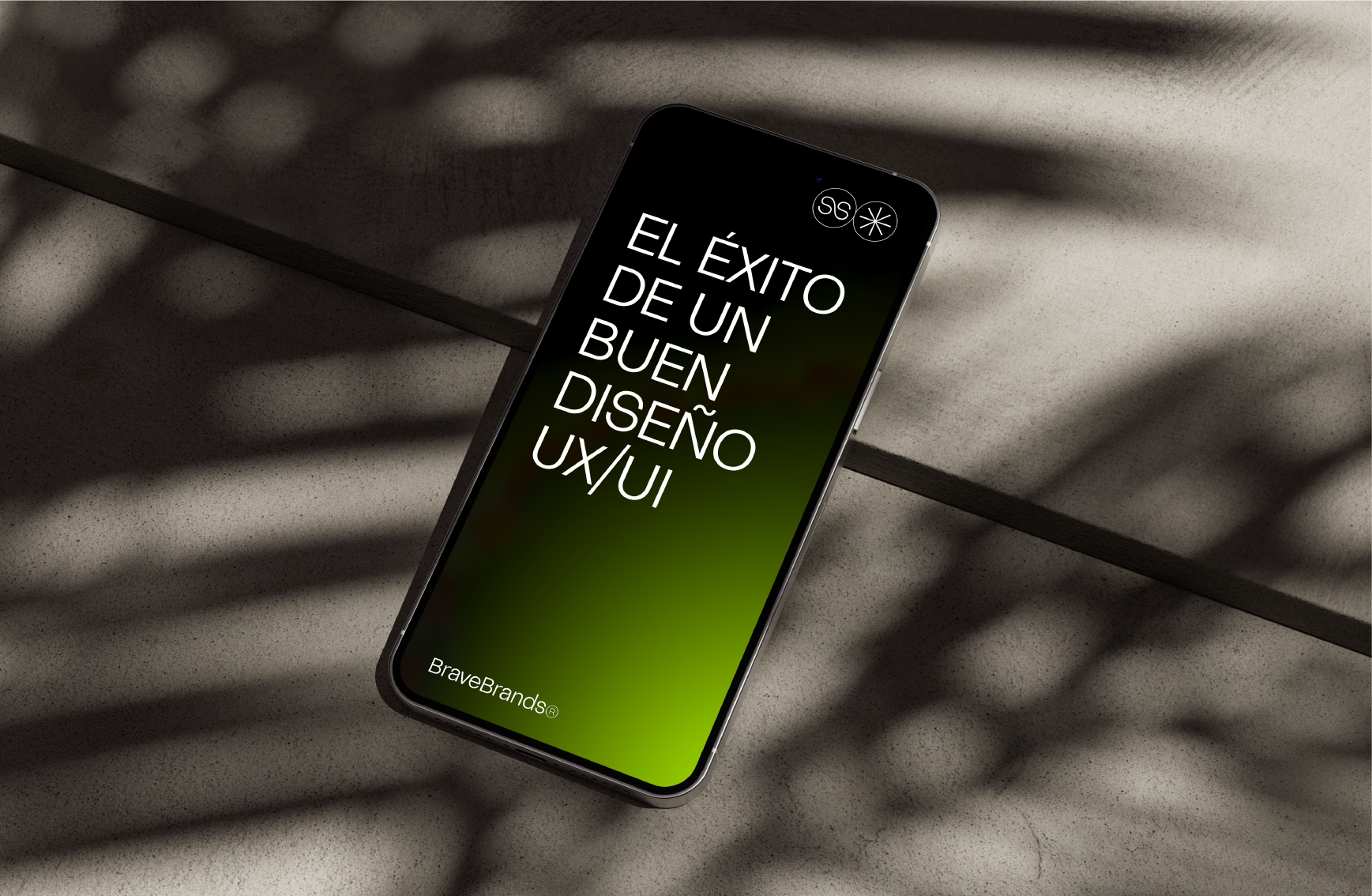
What is UX/UI?
- UX (User Experience): UX refers to the overall user experience with a product or service, encompassing how it feels and how easy it is to use. It includes ease of navigation, accessibility of features, and efficiency in helping the user achieve their goals. The objective of good UX is to offer a seamless, frictionless experience that meets the user’s needs.
- UI (User Interface): UI focuses on the visual design of the application or website. This includes the arrangement of buttons, icons, fonts, colors, and other interactive elements. UI aims to combine attractive aesthetics with clear functionality, ensuring that users intuitively find what they are looking for.
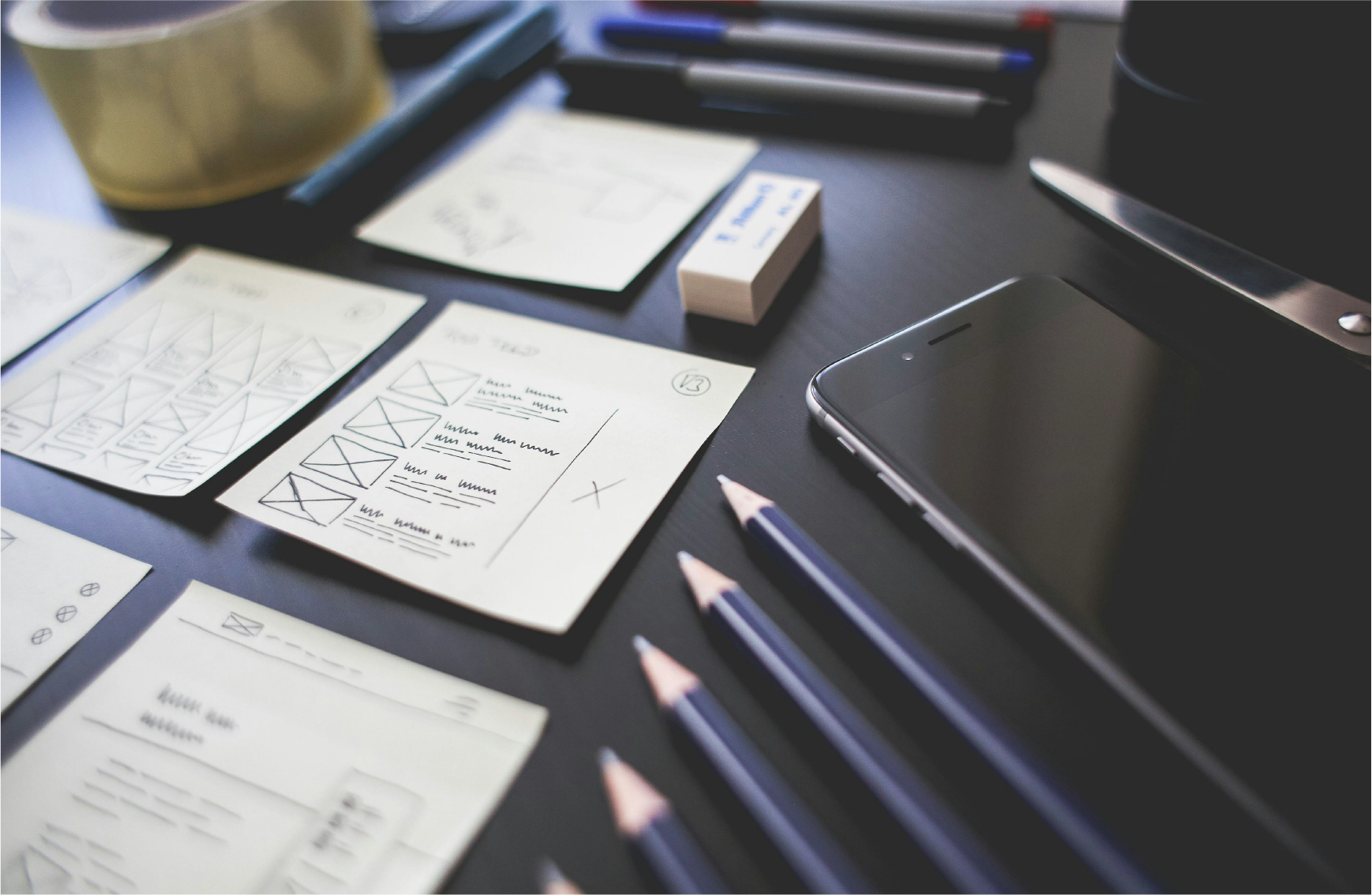
Impact on Conversion
An effective UX/UI design can make a big difference in conversions:
Reduced bounce rate: An engaging and intuitive design encourages users to explore beyond the homepage, reducing the bounce rate and increasing the likelihood of conversion.
Simplified conversion flow: A clear conversion process, with strategically placed call-to-action (CTA) buttons, can easily guide users to the next step.
Mobile optimization: With the growing number of mobile users, a responsive design ensures a quality experience regardless of the device.
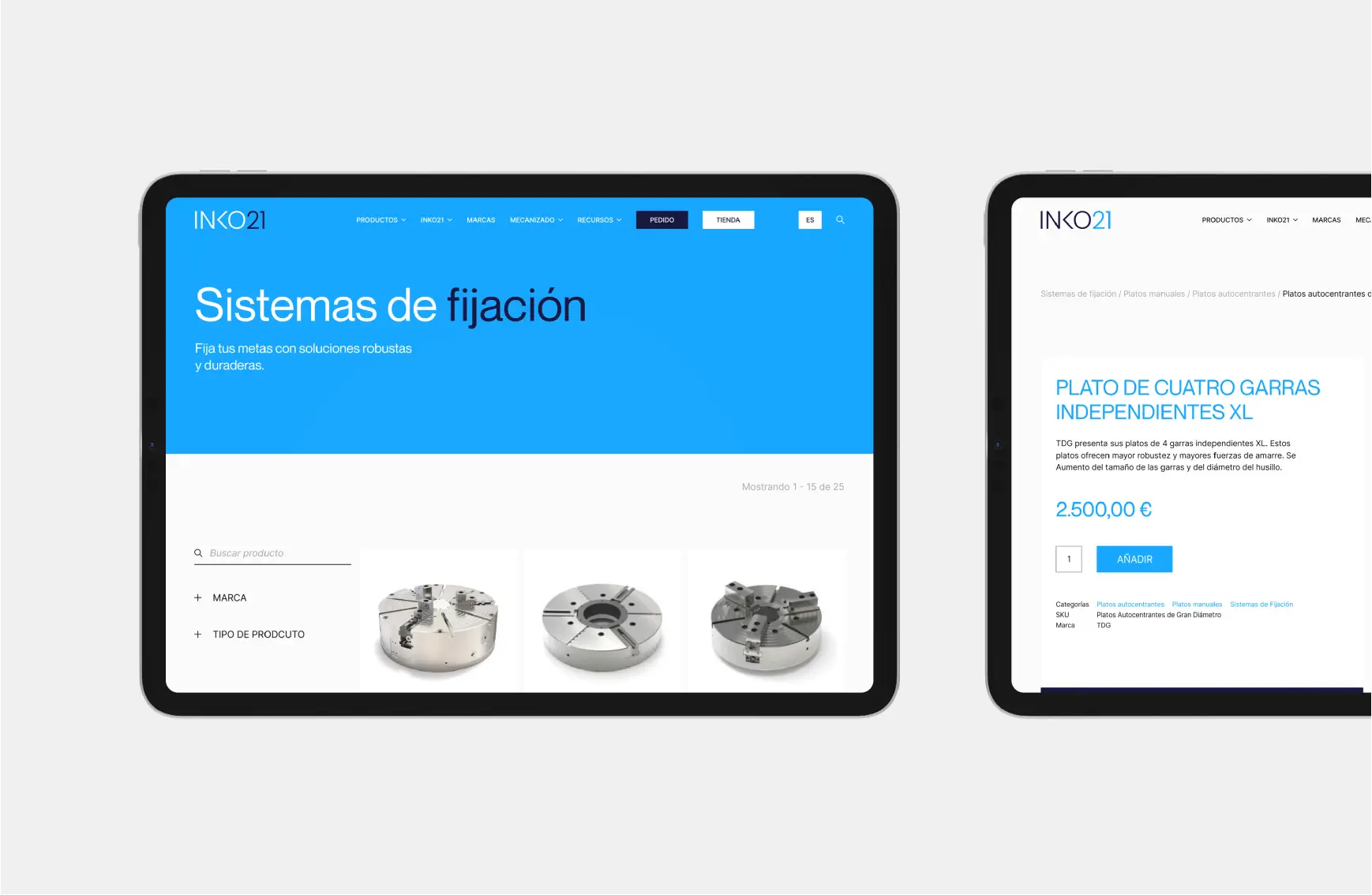
Improve Customer Satisfaction
Customer satisfaction is key to retaining and growing your user base. Effective UX/UI design contributes to this in several ways:
Quick Problem Resolution: An optimized UX ensures users find solutions to their problems quickly, improving their satisfaction and retention.
Building Trust and Credibility: A professionally designed website or app builds trust and credibility with users.
Personalization: A personalized UX that adapts content to the user’s interests and behavior creates a deeper connection and improves the overall experience.
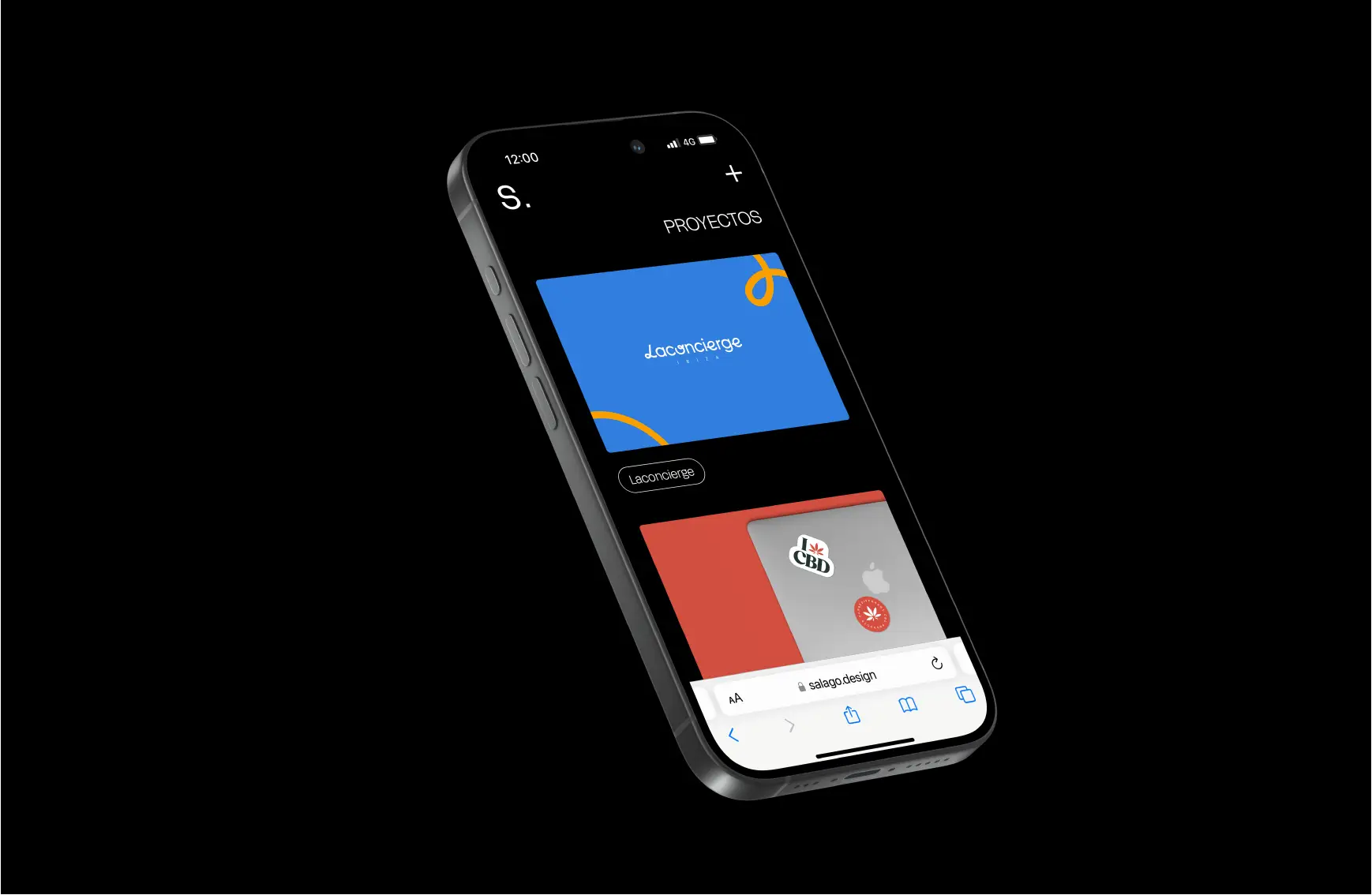
Success Stories
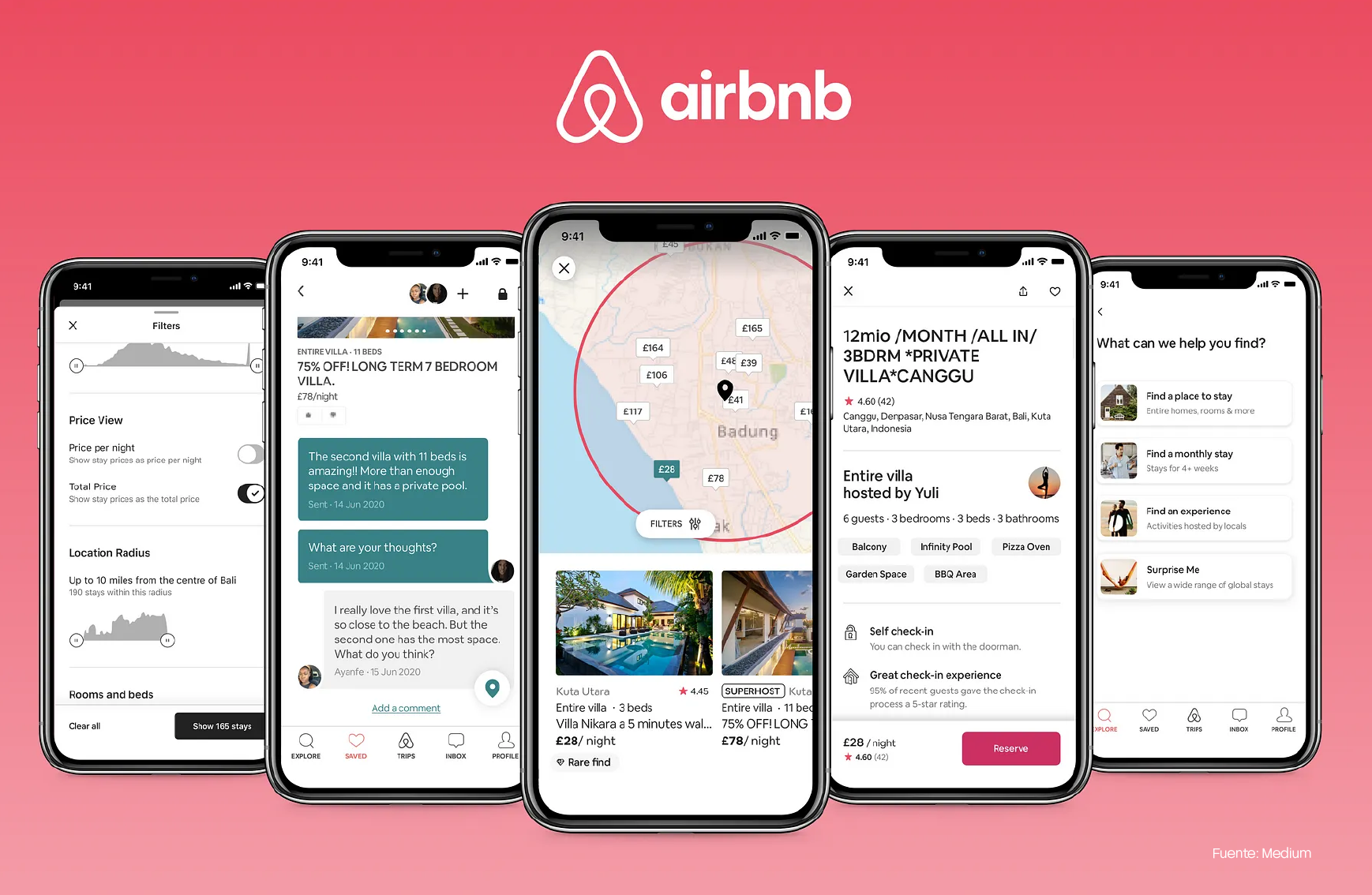
Airbnb:
With its UX/UI redesign, Airbnb transitioned from an emerging startup to a global leader. They simplified the search process, allowing users to easily find accommodation options tailored to their preferences. Furthermore, a clear booking flow and strategic CTA buttons reduced the abandonment rate during the booking process.
Dropbox:
By redesigning its interface, Dropbox simplified the user experience to appeal to both businesses and individual consumers. They implemented a minimalist design with a focus on functionality, making file uploads and syncing quick and intuitive.
Slack:
Slack has stood out for its intuitive design that facilitates team collaboration. Its use of distinctive colors, clear icons, and a simple onboarding flow allows new users to quickly adapt and get the most out of the platform.
Investing in good UX/UI design from the early stages of product development can be the key to your startup’s long-term success. It not only improves conversions and customer satisfaction but also helps build a strong and trustworthy brand. Remember that good design isn’t just about aesthetics; it’s a fundamental strategy that can take your startup to the next level.
If your startup needs to improve its UX/UI design, Salago is here to help. Contact us to discover how we can transform your digital product.